Showing posts with label cleaning. Show all posts

9 June 2017

I've just found something interesting - well interesting to those who sew or do other crafts which involve a self-heal mat ...

Image result for self heal matThe first question to answer is 'what is a self-heal mat? with 'what are they made of?' and 'what do they do?' following closely behind.

A cutting mat is a measurement tool used for sewing and crafts projects. Generally a cutting mat is a rectangular piece of durable material, such as vinyl or rubber.

They protect the work surface from damage, and prevent your knife blade from dulling quickly.  Cutting blades create tiny scratches in the mat surface that reclose afterward; thus the description "self-healing."

They don't "heal" exactly. The cuts are still there. The mats are made out of a rubber that expands slightly when cut, which pushes the two sides of the cut closer together so you still have a mostly smooth surface. 

They expand because the inside is compressed (under pressure) and the film/surface material is holding them in that way so when they're damaged, they get released a tiny bit but are still mostly held in place by the rest of the mat. 

How to clean your self-heal mat:

  • Soak in a bath or large container (to lay as flat as possible) and soak it for 15-20 minutes in a solution of 1/4 cup white vinegar to every gallon of cool water. Let me repeat, cool water. Do this every so often to help extend its useful life. 
  • Then use a squirt of mild dishwashing liquid and clean the mat with a very soft brush .  The purpose of this gentle scouring is to remove the fibres that get trapped in the cuts marks preventing the cuts from coming together. 

also see:
http://makezine.com/2010/11/23/what-are-self-healing-cutting-mats/ 
http://www.core77.com/posts/17891/a-materials-mystery-what-the-heck-are-self-healing-cutting-mats-made-from-and-a-possible-alternative-17891


31 July 2013

Clearing up

Some hints and tips for cleaning in the kitchen:
  • soak pans in cold water
  • use warm water  to scour pans
  • sprinkle bicarbonate of soda in bottom of the dish where the brillo is stored
  • for hard to clean pans, boil with small amount of water and fallen leaves
  • scrape non-stick pans with an old credit card
  • for dirty copper-bottomed pans rub with rhubarb leaves, chopped into small pieces and boiled in the pan, then put the dirty pan inside
  • use the nets which onions come in, sewn up, as pot scrubbers
  • for badly burned pans, sprinkle biscarb inside
  • glass/pyrex sprinkle oven cleaner on
  • enamel - lemon juice and salt, leave an hour, then non-abrasive scourer
  • scrambled egg on pans - cold water
  • rust - raw potato
  • clean a stainless steel sink with fizzy soda water
  • polish brown boots with a banana skin.

21 April 2013


Uses for Cornflour 

(or Cornstarch to our friends on the other side of the pond)


Nappy Rash: to sooth, powder their bottoms with cornflour after each nappy change. To protect add a quart of a cup to their bath water.
Sunburn: to sooth, mix one cup cornflour into warm bath water and soak for 20 - 30 minutes.
Burns: to sooth, mix one tablespoon cornflour and one tablespoon baking soda* in two pints of warm water. Dip a soft cloth or gauze into the mixture and place on skin.  Allow it to remain on burn for 20 - 30 minutes.
Face: to control oil, dust your face with a small amount of cornflour - but not enough to look like a goth!
Face: to clean, heat two tablespoons cornflour, two tablespoons glycerin and half a cup of water in a bain marie.  Heat until the mixture is thick and clear.  Use in place of soap.

Feet: to reduce itching from athletes foot, sprinkle cornflour in your shoes and on your feet (presumably would help with odour too).

Face: for a facial, mix together a quarter of a cup of cornflour, 2 tbsp milk and one egg white until smooth.  Apply mixture to face and allow to dry for about 15 - 20 minutes. Rinse.
Hair: to clean hair between shampooing, sprinkle hair with cornflour to absorb oil.  Brush hair to remove excess.
Powder: to make a scented body powder, fill a container with cornflour and add a few drops of your favourite scented oil.  Shake well to mix.
Skin: to relieve irritations from insect bits, poison ivy and rashes, make a thick paste using cornflour and water.  Apply to affected area.
Skin: to prevent chaffing, dust area with cornflour.
Underarms: to eliminate odour, rub underarms with rubbing alcohol then dust with cornflour.

Leather:
 to remove oil spots, apply cornflour to the area and allow it to sit overnight.  Brush it off.

Windows: for a streak-free shine, mix one teaspoon cornflour and one teaspoon of soap in a gallon of water.  Mix well and apply to windows, then wipe dry.
Silver: to polish, mix a paste of cornflour and water. With a soft cloth buff the silver. Let it dry and buff to a shine.
Carpet: to freshen and clean, sprinkle the carpet with cornflour, then allow to sit for 30 - 45 minutes. Vacuum.
Carpet: to spot clean, make a paste using cornflour and milk, then apply the paste to the spot.  Allow to dry.  Using a hard bristle brush, brush the spot and then vacuum.

Fabric: to remove grease, blot away as much as you can and then sprinkle with cornflour.  Let is sit for 10 - 15 minutes.  Shake off the excess cornflour, dab the stain with white vinegar and launder as directed.
Wood furniture: to remove wax build-up, sprinkle with cornflour and buff clean.
Driveways: to remove stains, sprinkle the stain with cornflour and allow to absorb overnight.  Rise clean.
Blood: to remove blood stains, make a paste using cornflour and water.  Apply the paste to the area and gently rub it in. Place the item in the sun until dry.  Brush away the dried paste. Repeat as needed.
Books: to remove the mildew smell, sprinkle the pages with cornflour and let it sit overnight.  Dust clean.


Stuffed animals: to clean, sprinkle with cornflour and place in a large paper bag.  Seal the bag and shake it well.  Allow the stuffed animal to remain the bag overnight, then remove from the bag and vacuum clean.

Starch: to make your own, completely dissolve cornflour n hot water and shake before each use.  For heavy starch - a quarter of a cup of cornflour in four cups of hot water; medium starch - a quarter of a cup in 8 cups hot water; light starch - a quarter of a cup in twelve cups hot water.
Cockroaches: to kill, mix equal parts cornflour and plaster of Paris and sprinkle mixture into cracks.
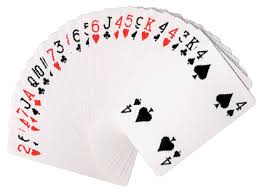
Pack of cards:
to keep them from sticking, place the cards in a bag with a couple of teaspoons of cornflour.  Shake the bag well, being sure to coat all the card.  remove the cards form the bag and wipe each card with a dry rag.

Knots: to easily de-tangle, sprinkle the knot with cornflour.
Baking Powder : to make your own, mix one part cornflour, one part baking soda and two parts cream to tartar.
Sports equipment: to make gripping easier, lightly dust hands with cornflour.
* The difference between baking soda and baking powder: Essentially baking soda is sodium bicarbonate, baking powder is baking soda plus cream of tartar (and a drying agent - usually cornflour) .  See: http://chemistry.about.com/cs/foodchemistry/f/blbaking.htm.


See also:
http://www.guardian.co.uk/science/2008/may/02/physics7 (see pic of children having fun!)
and
http://www.youtube.com/watch?v=579hNOgHUs8


I'm thinking that next it would be a good idea to research the many uses for the magic bicarb and also for vinegar and for lemons.
Baking Powder and baking soda perform similar functions during baking.


12 December 2012

Diary of a house seller - Part VII, Winter 2012/13

10 December: Was pottering around today when the phone rung and the estate asked if he could bring round some viewers - in 15 minutes' time!  

Having not had a viewer for four months (quiet time of year) we were rather surprised and very glad that, the new bathroom's now finished and the place wasn't looking too bad.  Quickly tidied up and found keys to get into flat below.  The viewers seemed to like what they saw but we don't hold out great hopes, with being in competition with so many other houses.  

Afterwards, I had a quick look on the internet to see what the competition is like in this area.  Our house (http://www.williamshedge.co.uk/more_details.php?profileID=100394000510)is a particular size and layout which wouldn't suit everybody but will appeal to the person for whom it is exactly suitable - and there will be very few in competition with us in that category.

11 December: Had a call from the agent to say that the viewers would like to come tomorrow for a second look, bringing another member of the family.

12 December: We've been busy cleaning and tidying and it's amazing how dirty everything is, when subject to close scrutiny.  From a distance it looks fine, but get nearer and it's an entirely different story.
I've been busy, implementing the suggestions which were in a previous post (), using bicarb, vinegar and so on, instead of smelly chemical cleaners.  
Then realised that this computer monitor's filthy!  Looked up on the internet and the first site I visited had nothing constructive to say except that the screen was very delicate (dur!) but no help it how to clean it.  However, another site had the following, much more helpful, advice: 

The TFT or LCD screen is one of the most expensive component of your notebook or desktop computer and they're very sensitive to dust, fingerprints or even when you cough or sneeze without covering the mouth and nose.

Unlike the standard CRT monitors with Glass screens, you are not advised to clean an LCD Monitor by wiping it with a piece of dry lint-free cloth since the sensitive display is likely to get scratches from dust particles. 

So how do you clean an LCD monitor screen without buying any of those expensive LCD Monitor Cleaner solutions or Monitor Wipes available in the market ? We look at some proper methods and precautions before you clean the monitor [should apply to HDTVs, projection TVs and Plasma TVs as well]

Think of LCD Displays just like the soft and delicate skin of your newborn baby - Be very gentle and never put even the slightest pressure on the computer screen with your hand. 

Second, you need to find a piece of soft cloth - old cotton handkerchiefs lying in your mom's wardrobe should be fine but don't try tissue papers, toilet rolls or even shower towels as the fabric will scratch your screen permanently [like sandpaper or utensil scrubbers]

Either turn the monitor off or set the background to black and hide all the desktop icons and minimize the open windows. This will easily help you identify the dirty areas of the monitor.

To prepare the solution for cleaning LCD monitors, you will need deionized or distilled water and vinegar or iso-propyl alcohol - Don't use tap water or mineral water as they could leave white marks on the screen because of the dissolved salts.

Dilute the vinegar or IPA with distilled water [1:1] and spray this liquid on the cloth. Never ever spray liquid directly onto the LCD screen. Moisten the cloth with this home made LCD cleaner and gently move the wet cloth in just one direction - from top to bottom.

Word of Caution: Be sure that the LCD screen is dry before closing it or using the computer. Do not use any solutions that contain Acetone, ethyl alcohol, toluene, ethyl acid, ammonia, or methyl chloride. Never touch the LCD screen with your fingers as this can cause the pixels to burn out.


(from: http://labnol.blogspot.co.uk/2006/11/wipe-clean-lcd-screen-laptop-monitor.html)

18 December:  Had a phone call freom the agent to say that the vendors were not proceeding as they would prefer a more rural location. Not a lot we can do about that, but at least they have lots more choice of new abode.  Meanwhile, we'll sit tight for the winter and see what happens come the spring.  Signing off for 2012 ...

January - a new year, perhaps new beginnings ...

25 January:  Had an offer this week from the people who viewed in December.  Unfortunately it was far too low, so leaving this one on the back burner.  Who knows, they may come back to us again soon.

28 January: Just had a call from the Agent to book a viewing this Friday, 1 February.

30 January: The people who made an offer last week are not keen to raise their offer, citing the area as the reason for not upping the price they're prepared to pay.  

Perhaps there are quite a few people on the look-out for property at the moment who are only keen for a bargain and not actually bothered whether the property suits them of even the facilities on offer at the house.  Or am I being cynical?

1 February:  Had some people viewing this morning.  They like the house and are now putting theirs on the market, perhaps not especially to buy ours.  But they may be confident that they'll find something they like in their price range.

2 February:  Just in case, I'm travelling up to the Midlands tomorrow to view some houses.  The prices may well be cheaper and that could balance the low offer we've just received.


Looking towards Torquay and Hope's Nose with Thatcher Rock and Shag Rock
It's exciting as they are lots of suitable properties around, fortunately none of them are perfect as we'd be very disappointed not to get it.

Here's a couple of photos from our living room window, taken this afternoon.  It's still light now, at nearly 5pm, so the nights must be drawing out.  Roll on spring!  It would be nice to have one of these view blown up and mounted on canvas to put on the wall at our new house to remind us of these fabulous views.
Looking towards Brixham Harbour and Berry Head


8 February: Have just heard from the agent that the proposed purchaser is prepared to up their price a tiny amount.  After a long discussion we have accepted on the basis that this buyer does not seem very committed so it's not all that likely that the deal will come off.  

The Agent will take the house off the market for ten days to give the pp chance to organise a survey.  If this hasn't happened then marketing the property will continue.
We are away on holiday so expect that by the time we return in two weeks that things will be well in hand.  If so we'll got and seriously look at properties.
It's such an unusual market that it's difficult to make a decision and be sure that it's the right one.
Have come to the conclusion that I was not being cynical (see 2 Feb) as pp has said he's not particularly bothered if he doesn't get this house!!

22 February:  We've had our holiday - it was lovely to enjoy some sunshine and be pampered - but hard to come home chilly (well really cold!) weather.  After one day at home to tie up loose ends and to have the surveyor book to come to prepare a report on our house, we have travelled up to the Midlands to house-hunt ... again.

24 February: We have looked at several houses today and what has struck us is the property garden descriptions.  What to some people would be a good-sized garden would to others be minute.  
Why don't estate agents measure the gardens (roughly), like they do unimportant items such as downstairs cloakrooms?  A reasonable-sized garden is very important for us and there are several houses where the photos made the garden look lovely.  Then we viewed the houses and saw that in fact they were totally unsuitable.
After all, agents making a garden look big when a purchaser wants a small garden are just as misleading as photos making gardens look huge when the purchaser only wants a pocket handkerchief back yard to enjoy sunbathing with a glass of vino.


25 February: It's exciting looking at potential houses, apart from the disappointing, misleading details.  Unfortunately, I like every house we look at, so find it very difficult to be objective.


26 Feb:  We have made an offer on a very suitable house - not a perfect one, as the perfect house doesn't exist - and said offer has been rejected.  So we are now reconsidering ... and I idly looked on the internet and saw a very suitable house which has just come on the market ...  So have booked to view it.  
every girl should have at least one pair of red shoes!
One thought which does now occur is that it's rather like buying shoes - or finding a husband! - in that, once a suitable one is found then stop looking!

27 February: Have viewed the second house and it's perfect! ... except needs new kitchen, bathrooms, heating and possibly even new wiring.  So have been trying to work out whether it's economic - for us - to buy said house. It's spacious, have three rooms upstairs and three downstairs, plus kitchen - and a bathroom on both floors.  The living room has a beautiful picture window and the garden looks out onto fields, yet the house is easy walking distance to shops, buses etc.  
On reflection it's been decided that there's too much work to do, so have made an increased offer on first (nearly perfect) house, which has been accepted.  As a gardener I'm not totally satisfied as garden is small, faces north and neighbour's trees are likely to block out some of the light.  Perhaps we'll be able to have a word with the neighbour about the trees, having first checked that they're not actually ours, and see what can be done.
Looked at the epc of the property as it's a healthy 85 (with potential to rise to 88) - even better than ours at 82! (http://www.wmepc.co.uk/PDF/EPC%20Explained%20Final%2018%20July%2011.pdf)

28 February: surveyor came and looked at the house we're selling. He didn't stay long - which could be a good sign. Fingers crossed.

Tomorrow is 1 March which an optimist would say is the start of spring, so I'll start a new page on here.